

Written by: Andrew Briesacher, Senior Wealth Manager
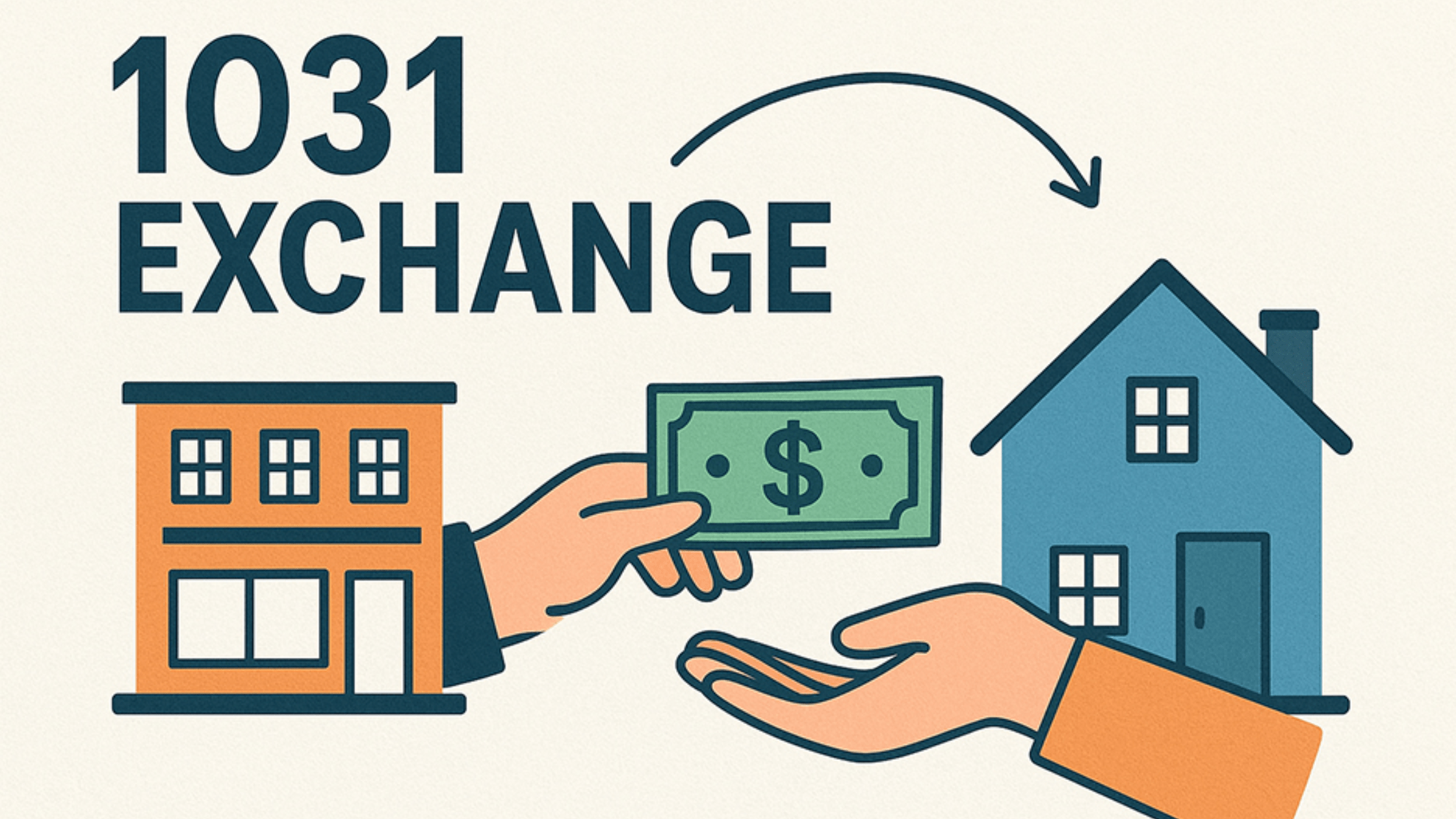
For real estate investors looking to grow, reposition, or optimize their portfolios, a 1031 exchange can be a powerful strategy. Named after Section 1031 of the Internal Revenue Code, this provision allows investors to defer capital gains taxes when selling one investment property and reinvesting the proceeds into another qualifying property.
For a primary residence, homeowners can already exclude capital gains up to $250K ($500K for married couples filing jointly), so these strategies will typically only be used for investment property purposes.
While the tax advantages can be significant, a 1031 exchange also comes with rules, timelines, tradeoffs and costs that investors should carefully evaluate. Below is a practical look at both the benefits and the considerations.
The Benefits of a 1031 Exchange
1. Tax Deferral That Preserves Capital: The primary advantage of a 1031 exchange is the ability to defer capital gains tax and depreciation recapture tax. Instead of paying taxes at the time of sale, you roll those gains into a new investment property.
By deferring taxes, you keep more of your equity working for you — which can significantly increase your purchasing power and long-term returns.
2. Greater Buying Power: Because you’re not immediately paying taxes on the sale, you can reinvest the full proceeds into a replacement property. This means you can upgrade into a larger or more valuable asset or potentially move into a property with stronger cash flow. You may also consider entering your real estate investment into a new geographic market and further diversifying your portfolio. The ability to reinvest 100% of your equity often accelerates portfolio growth.
3. Portfolio Repositioning and Diversification: A 1031 exchange offers flexibility in how you structure your holdings. Examples include exchanging one property for multiple properties or even consolidating several properties into one larger asset. This can also allow you to shift from active management (e.g., small multifamily) to more passive investments.
This makes it a useful tool for adapting your portfolio as your goals evolve.
4. Long-Term Wealth Building: When used strategically over time, repeated 1031 exchanges allow gains to compound tax-deferred. Some investors continue exchanging throughout their lifetime, building substantial portfolios without triggering taxable events.
Additionally, under current tax law, heirs may receive a step-up in basis if the property is held until death — potentially eliminating the deferred gain entirely as part of estate planning. Some real estate investors refer to this as the “Swap Til You Drop” strategy where they keep exchanging to new properties therefore not ever paying the capital gains since the investments eventually go to their heirs and receive that step up.
Important Considerations Before Doing a 1031 Exchange
While the benefits are compelling, a 1031 exchange is not always the right move. Here are key factors to consider:
1. Strict Timelines: The IRS imposes firm deadlines as you have 45 days from the sale to identify a replacement property and you must close on the new property within 180 days.
These timelines leave little room for delays. If you miss them, the exchange fails and the sale becomes taxable.
2. Full Reinvestment Is Required: To fully defer taxes, you must purchase property of equal or greater value and reinvest all net proceeds. You must also replace any mortgage debt with equal or greater debt (or additional cash).
If you take cash out — known as “boot” — that portion becomes taxable.
3. Use of a Qualified Intermediary Is Mandatory: You cannot receive or control the sale proceeds directly. A qualified intermediary must hold the funds and facilitate the exchange. This adds complexity and cost to the transaction.
4. Limited to Investment or Business Property: A 1031 exchange applies only to investment or business real estate. Primary residences and second homes generally do not qualify (with limited exceptions under specific rules).
5. Taxes Are Deferred, Not Forgiven: It’s important to remember that a 1031 exchange defers taxes — it does not eliminate them (unless paired with long-term estate planning strategies).
If you eventually sell without doing another exchange, the accumulated gain becomes taxable. Over time, that liability can grow.
Final Thoughts
A 1031 exchange can be an effective tool for real estate investors seeking to build wealth and preserve capital. However, it requires careful planning, coordination with tax and legal professionals, and a clear investment strategy.
When executed thoughtfully, it can help you grow your portfolio faster, improve cash flow, and position yourself for long-term financial success. Because these transactions involve complex tax implications and specific timelines, they require a high level of attention and care. If you are considering whether a 1031 exchange aligns with your current investment goals, it is essential to weigh your options with a professional advisor who can provide personalized guidance for your unique situation.
Ready to Take The Next Step?
For more information about any of the products and services listed here, schedule a meeting today or register to attend a seminar.